
Chernobyl’s Hero Has a Cause
March 19th, 2008This was passed along by our loyal reader, Noreen Sullivan, and I thought you would like to know about it.
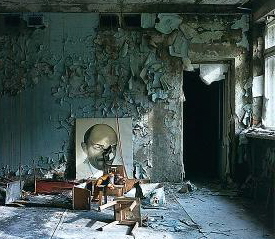
Room Near the Chernobyl Accident
Chernobyl’s Hero makes his nineteenth start at 4:55 pm (EDT) in Aqueduct’s 9th race on Thursday, a mile and seventy yard New York-bred allowance event carrying a $47,000 purse. Kentucky Derby-winning jockey Stewart Elliott will be aboard the Karakorum Racing Stable colorbearer. Chernobyl’s Hero looked good in his last race and cannot be ignored.
Every time the son of Cryptoclearance out of Karakorum’s Lisa goes postward, he carries with him the hopes of thousands of children who continue to be affected by the Chernobyl nuclear disaster of 1986. Karakorum Racing’s president Bill DiScala is contributing a quarter of the earnings of his home-bred colt in a unique move to benefit the work of Chernobyl Children’s Project International (CCPI).
DiScala’s support of CCPI began several years ago after seeing the charity featured in the Academy Award winning film “Chernobyl Heart.†Karakorum Racing became a sponsor of the charity but DiScala wanted to do more to raise both awareness and much needed funds for the children affected by the tragedy of Chernobyl.
“I decided when the right horse came along,†said DiScala, “I would get them a racehorse.â€
Chernobyl’s Hero is Karakorum Lisa’s last surviving foal, as the broodmare was killed by a freak lightning strike in 2005 while standing in a field with her 2005 weanling. DiScala feels that it is fitting that the Cryptoclearance colt, who is in a real sense an orphan, runs for the children of Chernobyl, who all too often are orphans themselves.
Kathy Ryan, US Executive Director of CCPI, sees the donation as a fun and unique way to raise both funds and awareness for the challenges faced by Chernobyl survivors.
“Twenty years after the disaster at the Chernobyl nuclear power plant, the plight of the survivors has literally dropped from the headlines – but the health, medical and social support needs of so many, especially children, have not gone away. Many of those children are without families and come from communities that are still devastated by the disaster.â€

